 Request FREE consultation - 1866-758-4529
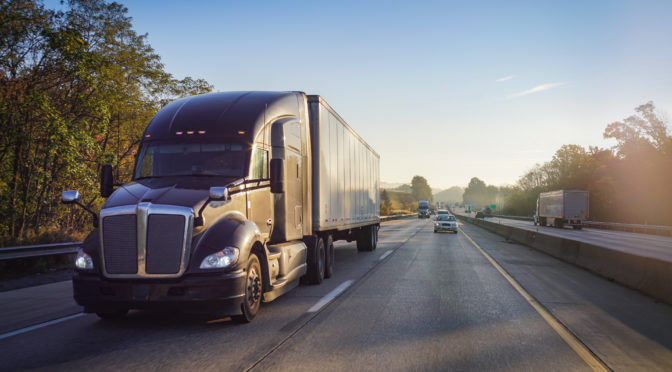
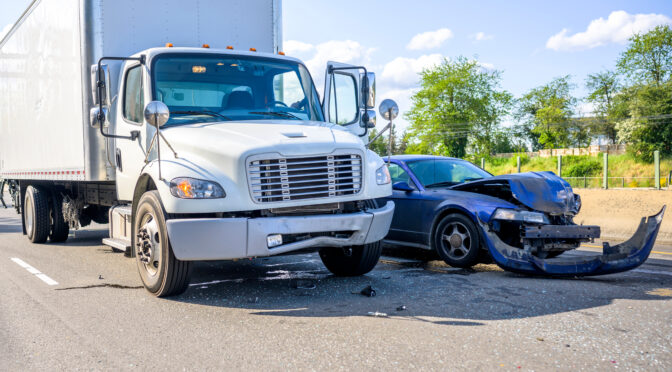
Semi trucks keep the American economy moving. They also share every Texas highway with cars that weigh a small fraction of what they do. The numbers below explain what these vehicles can and cannot do on the road, and why a crash with one is rarely a fender bender. If you were hurt in a wreck with an 18-wheeler, the same facts that make these trucks impressive are often the facts that decide who is legally responsible for the truck accident.
A fully loaded semi truck can legally weigh up to 80,000 pounds, or 40 tons. That is the federal gross vehicle weight limit set out in the FHWA truck size and weight laws, and it exists to protect highways and bridges. By comparison, the average passenger car weighs around 4,000 pounds. In other words, the truck next to you on I-10 may outweigh your car twenty to one.
That weight has to be distributed correctly across the axles:
Why it matters after a crash: when cargo is overloaded or poorly secured, the truck becomes harder to steer and stop, and the trailer can tip or shed its load. Shippers and loading companies can be held liable for improperly loaded truck accidents, and the sheer mass involved is a major reason truck crashes cause such serious and catastrophic injuries.

Most semi trucks produce between 400 and 600 horsepower and 1,000 to 2,000 pound-feet of torque. A typical compact car makes 100 to 200 horsepower and a similar amount of torque. The diesel engine that does this work is enormous, often 14 to 15 liters and roughly six times the size and weight of a car engine.
All that torque exists to pull 40 tons up a grade, not to stop it. Power gets a loaded trailer moving; only the brakes, the tires, and an alert driver can bring it back down to zero.
Unlike car engines, diesel truck engines are built to run for long stretches without shutting down. Drivers often idle them to keep fuel at a temperature, power the cab, and avoid hard cold starts. The engines are typically stopped only for oil changes, maintenance, or when anti-idling laws require it.
Why it matters after a crash: an engine built to run around the clock invites schedules that push drivers to do the same. Federal hours-of-service rules cap driving time precisely because fatigue is a known killer on the highway. When a carrier pressures drivers to skirt those limits, it can be held accountable under the trucking regulations that govern Texas carriers.
A tractor-trailer combination is one of the largest vehicles allowed on public roads:
The fifth wheel, the round steel plate above the drive tires, is what couples the trailer to the tractor. When a tractor runs without a trailer attached, called bobtailing, its braking and handling change dramatically because most of the braking force is designed to work with a loaded trailer pressing down on the rear axles.
Why it matters after a crash: those wide turns and that long pivot point are exactly how jackknife truck accidents happen when a driver brakes or steers improperly. And because trailers ride high off the ground, a car can slide underneath one in a collision. These underride truck accidents are among the deadliest crashes on Texas roads.
A loaded semi truck traveling at highway speed needs up to 600 feet to stop, nearly the length of two football fields, according to the Federal Motor Carrier Safety Administration. The Insurance Institute for Highway Safety reports that loaded tractor-trailers need 20 to 40 percent more stopping distance than cars, and the gap grows on wet roads or with poorly maintained brakes.
Why it matters after a crash: Stopping distance is where maintenance failures turn deadly. Out-of-adjustment or worn-out air brakes are among the most common violations found during post-crash inspections. If a rig could not stop in time because of bad brakes on the semi truck, the carrier and its maintenance contractor may share liability with the driver.
These terms describe the same vehicle from different angles. A semi truck (or semi) refers to a tractor pulling a semi-trailer, a trailer with no front axle that is pulled by the tractor. An 18-wheeler counts the wheels of a standard tractor-trailer: ten on the tractor and eight on the trailer. Big rig and tractor-trailer are simply common nicknames. Texas law treats them all as commercial motor vehicles subject to the same state and federal safety rules.
Put the numbers together, and the danger is obvious. According to IIHS fatality data, 4,354 people died in large truck crashes in 2023, and 65 percent of them were riding in cars and other passenger vehicles, not in the trucks. The physics never favor the smaller vehicle: 40 tons against 2 tons, a stopping distance measured in football fields, and a trailer tall enough to override a sedan’s safety structure.
The same facts shape the legal case. Truck crashes are not oversized car wrecks. They involve federal regulations, multiple insurance policies, and several potentially responsible parties: the driver, the trucking company, the cargo loader, and the maintenance provider, among others. Evidence such as engine control module data, driver logs, and inspection records can disappear quickly, which is why investigating an 18-wheeler accident needs to begin immediately.
If you or someone you love was injured in a crash with a semi truck, get medical care first, then get experienced legal help before you speak with the trucking company’s insurer. An experienced Houston truck accident lawyer can preserve evidence, identify all liable parties, and fight for full compensation. Families who have lost a loved one can learn about their rights from our fatal truck accident attorneys.
Attorney Greg Baumgartner has represented seriously injured Texans against trucking companies for more than 40 years. Consultations are free, and you owe nothing unless we win. Call (281) 893-0760 or contact us online today.
For truck accident help in Texas, call (281) 893-0760.
Related Articles:
Interesting facts about big rigs
Little-Known Facts About 18-Wheelers